Oolone is a new search engine that shows you large images of search results instead of text. Those kinds of visual results have obvious advantages for English Language Learners.
There are other search engines the provide similar results, including Google if you hover on the text. Because of that, even though I’m adding Oolone to The Best Search Engines For ESL/EFL Learners, who knows how long it will be able to survive?
Here’s a fun combination of library scenes from movies and TV shows:
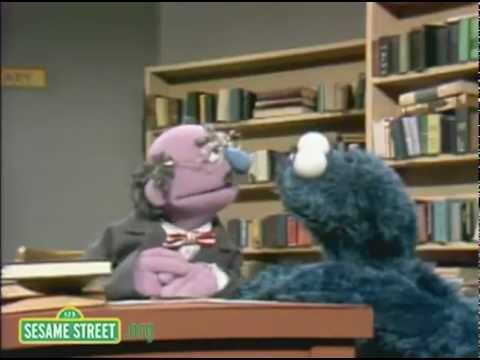
Thanks to Kathy Kaldenberg for the tip on Twitter.
There’s a lot of controversy about the recent teacher effectiveness study highlighted on the front page of The New York Times a week ago. You can read all about it at The Best Posts On The NY Times-Featured Teacher Effectiveness Study. I’ve written two posts about it — “let some of the players with lower batting averages go” and The message is to fire people sooner rather than later.”
Now, Michael Winerip at The Times has written an exceptional commentary. Here is how he ends it:
Economists need to find a way to quantify everything. Teachers with high value-added ratings may indeed have long-term positive impacts on students. But it is also possible that teachers who are excellent at project-based education have an even stronger longterm impact and we would never know it because their results cannot be teased out of a million pieces of data.
The danger is that education policy gets driven by teaching methods that can be given a number.
I suspect that Mr. Noyes, my 11th grade Advance Placement American history teacher from 40 years ago, had a low value-added rating. As I recall, no one in our class got a top score of 5; I got a 3. There was no prepared curriculum aligned with the test: Mr. Noyes built the lessons. On any given topic, he would assign us several books that viewed history through different lenses — economics, politics, personality.
I have long ago forgotten the content of those lessons, but Mr. Noyes instilled in us something far more important: the understanding that history does not come from one book. While that idea has served me for a lifetime, I do not believe it is quantifiable.
Today is Martin Luther King Day in the United States, and you can find tons of related resources at The Best Websites For Learning About Martin Luther King. You can also find a summary of his comments on education at The Washington Post.
I recently discovered this video of an interview he did on the Mike Douglas show in 1967. I think it’s very interesting, and thought readers might feel the same way — even though he doesn’t comment specifically on education:



Check-out the entire article to see the dangers of being data-driven, instead of being data-informed.
Now, read the story of Fresno teacher Judith Pansarosa:
Several years ago, our staff was ordered to create a “Data Wall” in our lunch room, perhaps to make the aura of oppression and degradation more complete. Being the highly creative rebel that I am, I thought there must be a way to transformthe bulletin board title “DATA WALL” into something that more appropriately represented our talented and unique teachers. As I moved the cut-out letters around on the table, searching for a positive message within, there it was… By simply transposing the syllables in DATA, the cheerful interjection TADA! appeared. We decorated our “TADA! WALL” with personal photos and artifacts showing the most important reasons why we were a group of outstanding teachers: we had life experiences and interests which made us an exceptional group of educators. We were people, not data generators, and we taught children, who we viewed as more than test scores.
I’m adding this post to The Best Resources Showing Why We Need To Be “Data-Informed” & Not “Data-Driven.”
More Recent Articles |