Click here to read this mailing online.

Your email updates, powered by FeedBlitz

Here are the latest updates for woowonenature@gmail.com


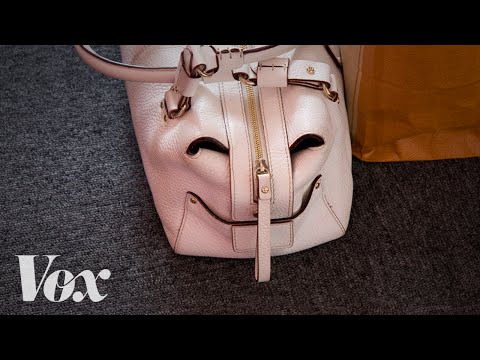
  1. Video: “Science explains why people see faces where there are none”
  2. “Q & A Collections: Brain-Based Learning”
  3. The Best Resources On Close Reading Paintings, Photos & Videos
  4. Stop The Presses! Report Finds Most Professional Development Waste Of Time
  5. “GeographyHub” Looks Like A Useful New Video Channel For…Geography
  6. Video: “Why Do We Have Accents?”
  7. Quote Of The Day: Teaching Social Emotional Learning Skills Is Not Enough
  8. More Recent Articles
  9. Search Larry Ferlazzo's Websites of the Day...
  10. Prior Mailing Archive

Video: “Science explains why people see faces where there are none”

Here’s a good video on perception for teachers of IB Theory of Knowledge classes:


“Q & A Collections: Brain-Based Learning”

Q & A Collections: Brain-Based Learning is the headline of my latest Education Week Teacher column.

It includes links to all my posts from the last four years on Brain-Based Learning – in one place!

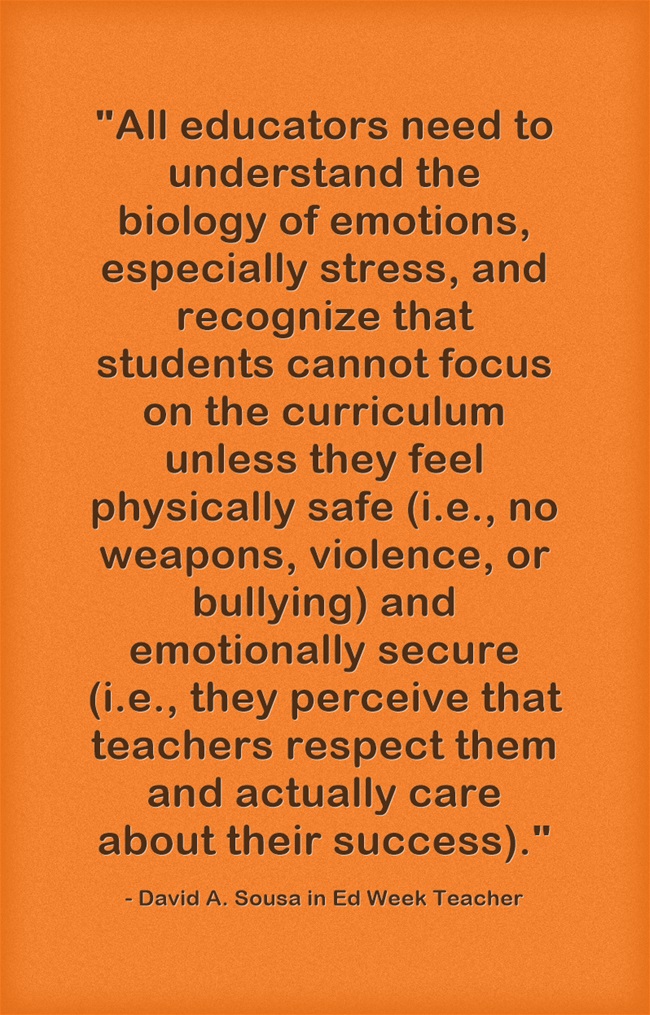
Here is an excerpt from one of them:

All-educators-need-to11


The Best Resources On Close Reading Paintings, Photos & Videos

Close reading is a phrase and technique known by just about any teacher trying to apply the Common Core Standards (see The Best Resources On “Close Reading” — Help Me Find More).

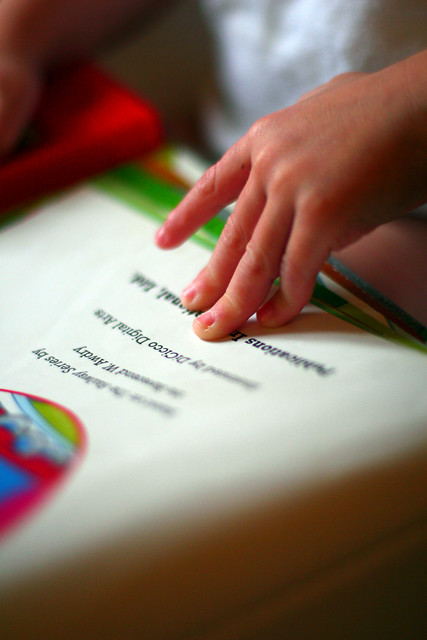
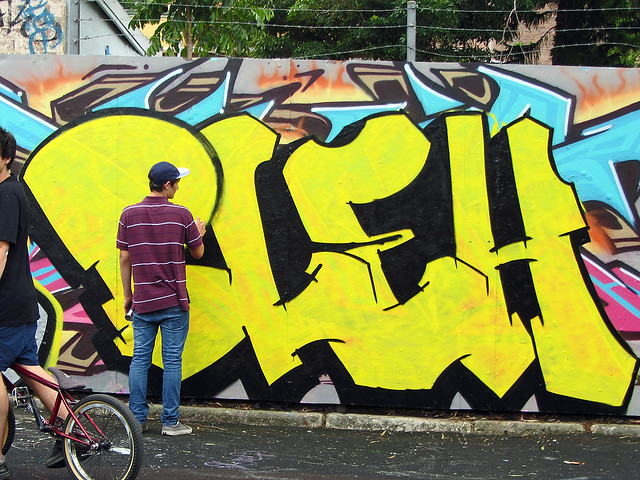
And visual images can also function as the “texts” on which we can also apply close reading strategies.

Here are some of the best resources I’ve found providing suggestions on how to do just that – feel free to add to this list in the comments:

Ed Week shared this fantastic lesson from the Teaching Channel today (if the video doesn’t show below because of problems with the embed code, you can go directly to their site here):

10 Intriguing Photographs to Teach Close Reading and Visual Thinking Skills is from The New York Times Learning Network.

Close Reading Constable’s “The Hay Wain” and Turner’s “The Fighting Temeraire” is from Used Books in Class.

Frank W. Baker’s site is fantastic, and you can read his four-part Middleweb series on this topic here.

The National Archives has a well-known photo-analysis worksheet.

Trevor Bryan has created a nice visual on analyzing visuals building on ideas from the great book, Falling In Love With Close Reading.

Analyzing Primary Sources: Learning From Images has an excellent series of guiding questions that could be used to close-read any visual image. It was created by the Barat Education Foundation.


Stop The Presses! Report Finds Most Professional Development Waste Of Time

TNTP has just come out with a big report announcing what every teacher who has had to go to a district-mandated professional development session knows — most PD is a waste of time.

And TNTP, being the “school reform” organization that it has shown itself to be time and time again in the past, continues that pattern by making this finding another excuse to primarily dish up their usual recommendations of what should be done instead (it does included a few decent ideas, but mostly ones that will just make things worse). As Tom Loveless wrote in this tweet:

You can read more about the report here:

Study: Billions of dollars in annual teacher training is largely a waste is from The Washington Post.

Is PD Behind Teacher Improvement? Maybe Not, Analysis Cautions is from Education Week.

Inside the New TNTP Research: Is Teacher Training Just An Expensive Waste of Time? is by Matt Barnum.

I wonder why so many researchers, and so many school districts, don’t consider the crazy idea of asking teachers what we think would be most helpful to us?

You might also want to check out The Best Resources On Professional Development For Teachers.


“GeographyHub” Looks Like A Useful New Video Channel For…Geography

Last week, I posted Video: “What if America Was Never Colonized?” It was a video from great YouTube Channel I discovered reviewing alternate history scenarios. They are perfect for use as models when we do our annual “What If?” history projects in class (see The Best Resources For Teaching “What If?” History Lessons).

Today, the creators of that channel announced the addition of a brand new channel called Geography Hub. This new one doesn’t appear to have anything to do with Alternate History. Instead, it looks like it will target interesting Geography-related questions. I think it could be useful in my ELL Geography class – obviously, depending on how their future videos end up looking.

Here’s an introduction to the new channel, followed by its first Geography video:


What do you think of them?


Video: “Why Do We Have Accents?”

Here’s a new interesting video from Thoughty2:


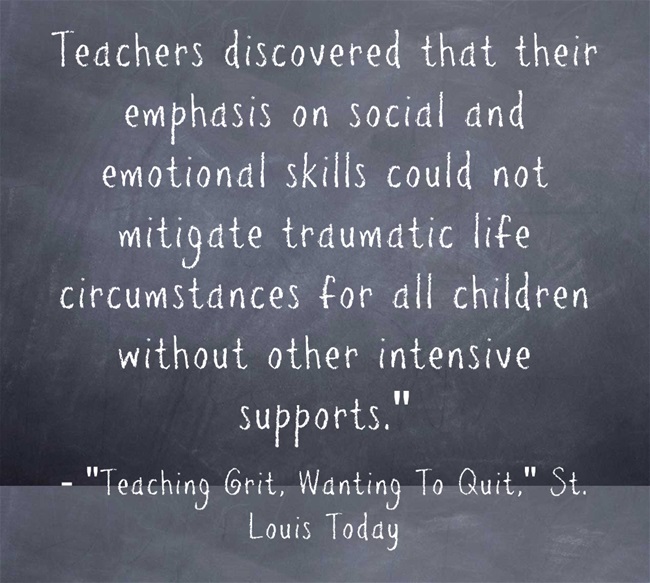
Quote Of The Day: Teaching Social Emotional Learning Skills Is Not Enough

Teaching grit, wanting to quit: A Year of Chaos Tests Veteran Preschool Teachers is a special feature from St. Louis Today that was shared on Twitter by Katie Osgood.

The article demonstrates that Social Emotional Learning Isn’t Enough and exposes that those who advocate a “Let Them Eat Character!” perspective on SEL are not doing our students, their families, or their teachers any service.

SEL has its place, and also has to be kept in its place.

Here’s an excerpt from the article:

Teachers-discovered-that


More Recent Articles


Click here to safely unsubscribe from Larry Ferlazzo's Websites of the Day.... Click here to view mailing archives, here to change your preferences, or here to subscribePrivacy

Email subscriptions powered by FeedBlitz, LLC, 365 Boston Post Rd, Suite 123, Sudbury, MA 01776, USA.